
Introduction
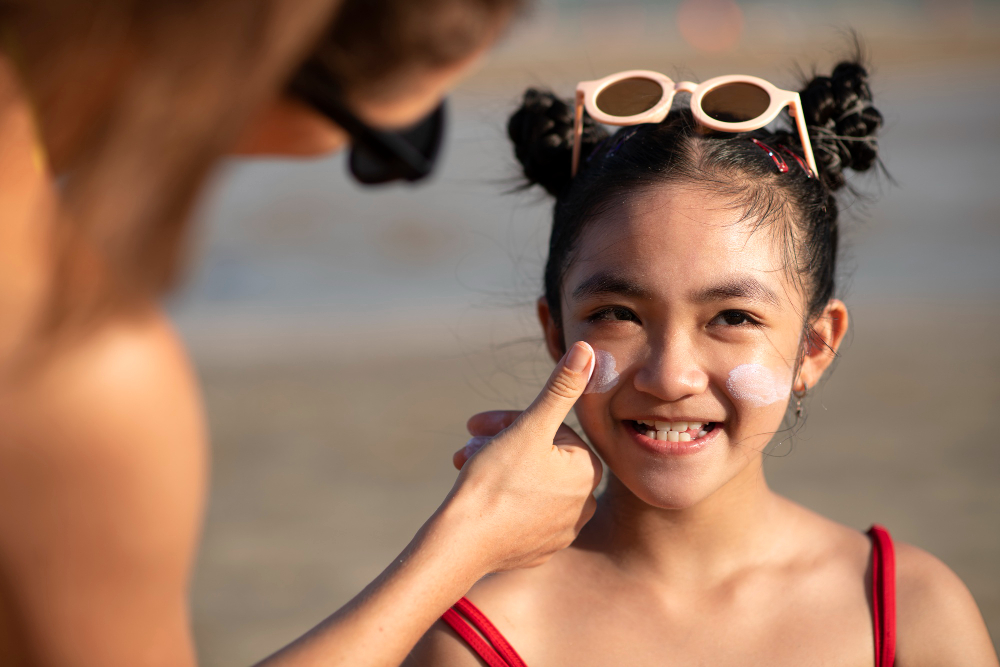
Sun safety is very important for children. Kids love to play outside, but the sun’s rays can harm their skin. Sun Safety Tips for Kids help parents protect their children from harmful UV rays. Even on cloudy days, the sun can cause skin damage. Therefore, learning about sun protection for children is key to keeping them safe.
Why Kids Need Sun Protection
Children’s skin is more sensitive than adult skin. Because of this, kids can get sunburned faster. Also, too much sun exposure in childhood can lead to skin problems later in life. For example, it can increase the risk of skin cancer. So, it is important to start sun-safe habits early.
Common Risks of Sun Exposure in Children
Sun exposure can cause several problems for kids. Some common risks include:
Because children spend more time outdoors, they need extra protection.
Essential Sun Safety Tips for Kids
To keep your child safe in the sun, follow these simple tips:
These steps help prevent sunburn in children and lower the risk of skin damage.
Choosing the Right Sunscreen for Kids
Not all sunscreens are the same. When picking the best sunscreen for kids, look for these features:
Test a small amount on your child’s skin first. If there is no reaction, it is safe to use. Remember, sunscreen is just one part of UV safety for kids.
How to Encourage Sun-Safe Habits
Teaching kids about sun safety can be easy. For example, make applying sunscreen a fun daily routine. You can also let your child pick their own sun hat or sunglasses. Because children learn by watching, set a good example by practicing sun safety yourself. Over time, these habits will become natural for your child.
Prevention and Early Signs of Sun Damage
Prevention is always better than treatment. However, it is important to know the early signs of sun damage. Watch for:
If you notice these signs, move your child to a cool, shaded area. Give them water and apply cool compresses to the skin.
When to Seek Medical Advice
Sometimes, sunburn or heat illness can be serious. Seek medical help if your child:
Doctors can give the best advice for your child’s needs.
Conclusion
In summary, sun safety is essential for children. By following these sun safety tips, you can protect your child from harmful UV rays. Remember to use sunscreen, seek shade, and dress your child in protective clothing. For personalized sun safety advice, consult your pediatrician at Wonderkids Paediatric & Multi-speciality Clinic.