Introduction: Why Sun Safety for Kids Matters
Sun safety tips for kids help protect children from harmful UV rays. These rays can damage young skin quickly. Because children’s skin is delicate, they need extra care in the sun. Even on cloudy days, UV rays can reach the skin. Therefore, teaching sun safety early is important. It helps prevent sunburn and lowers the risk of skin problems later in life. According to the CDC, most skin cancers are linked to too much sun exposure. So, keeping kids safe in the sun is a smart choice for every parent and caregiver.
Common Risks of Sun Exposure in Children
Children love to play outside. However, too much sun can harm their skin. Here are some common risks:
Sunburn: Even one bad sunburn can increase the risk of skin cancer later.
Heat exhaustion: Kids can overheat quickly in the sun.
Dehydration: Playing in the sun can make children lose fluids fast.
Eye damage: UV rays can hurt sensitive eyes.
Because their skin is thinner, children burn faster than adults. For this reason, extra protection is needed.
Key Sun Safety Tips for Kids
To keep your child safe, follow these sun safety tips for kids. These steps offer strong UV protection for children and help in preventing sunburn in kids.
1. Dress for Sun Protection
Choose lightweight, long-sleeved shirts and long pants.
Pick clothes with a tight weave for better protection.
Wide-brimmed hats protect the face, ears, and neck.
Sunglasses with UV protection shield the eyes.
2. Use Sunscreen Properly
Apply a broad-spectrum sunscreen with SPF 30 or higher.
Look for the best sunscreen for kids that is water-resistant and gentle.
Apply sunscreen 15 minutes before going outside.
Reapply every two hours, or after swimming or sweating.
3. Seek Shade
Encourage play in shaded areas, especially between 10 a.m. and 4 p.m.
Use umbrellas, tents, or trees for extra shade.
4. Stay Hydrated
Offer water often, even if your child is not thirsty.
Pack extra water for outdoor trips.
5. Time Outdoor Activities Wisely
Plan outdoor play in the early morning or late afternoon.
Limit time in direct sun during peak hours.
How to Recognize and Respond to Sunburn
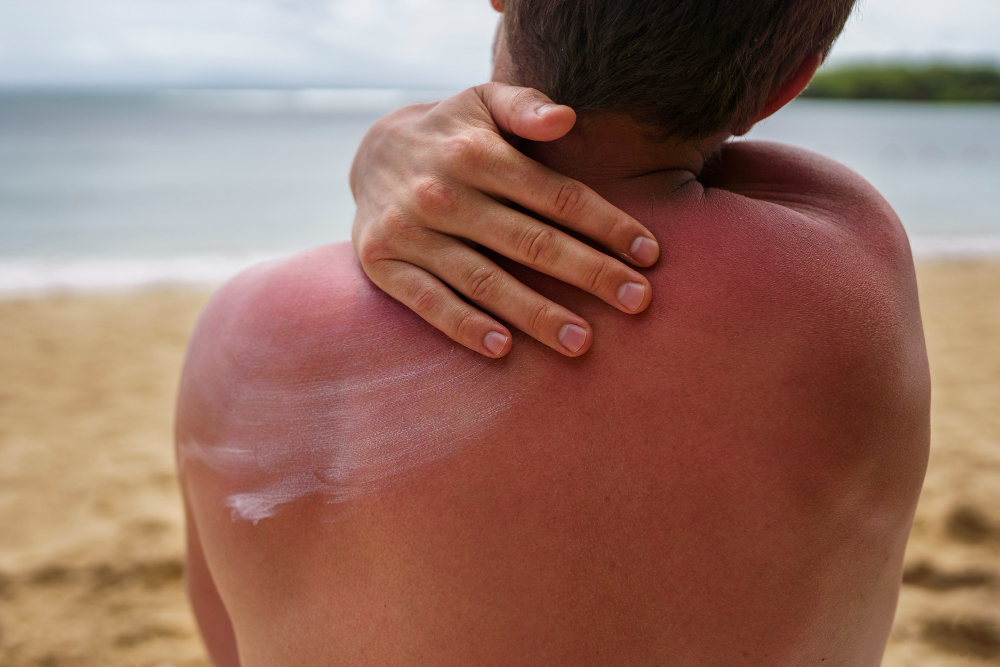
Sometimes, even with care, sunburn can happen. Early signs include red, warm, or sore skin. Blisters may form in severe cases. If you notice sunburn:
Move your child out of the sun right away.
Cool the skin with a damp cloth or a cool bath.
Offer water to prevent dehydration.
Apply a gentle moisturizer, but avoid creams with alcohol.
Do not pop blisters. Cover them with a clean, dry bandage if needed.
If your child has fever, chills, or severe pain, call your doctor.
Because sunburn can be serious, quick action helps your child feel better.
Prevention Strategies for Everyday Life and Outdoor Activities
Sun safety is not just for the beach. In fact, children need protection every day. Here are some easy ways to keep kids safe:
Apply sunscreen before school or daycare.
Pack a hat and sunglasses in your child’s bag.
Remind teachers and caregivers about sun safety rules.
For sports or outdoor events, set up play areas in the shade.
Teach children to take breaks indoors during peak sun hours.
With these habits, you can make sun safety part of your daily routine.
Frequently Asked Questions About Sun Safety for Children
When should I start using sunscreen on my child?
For babies under 6 months, keep them out of direct sun. For older babies and children, use sunscreen as needed.
What is the best sunscreen for kids?
Choose a broad-spectrum, water-resistant sunscreen with SPF 30 or higher. Look for products made for sensitive skin.
Can my child get sunburned on cloudy days?
Yes, up to 80% of UV rays can pass through clouds. Always use protection.
How much sunscreen should I use?
Use about one ounce (a palmful) for full body coverage. Reapply often.
Are spray sunscreens safe for kids?
Creams are best for even coverage. If using sprays, do not spray directly on the face. Spray on hands, then apply.
Conclusion: Keep Kids Safe in the Sun
Sun safety tips for kids help protect your child from harmful UV rays. By following these steps, you lower the risk of sunburn and long-term skin problems.Remember, healthy sun habits start early. Consult Dr. Anupama Yerra at Rainbow Children’s Hospital for personalized sun safety advice.