1. What are allergies in children?
Allergies occur when a child’s immune system overreacts to normally harmless substances such as dust, pollen, certain foods, or pet dander. These substances are called allergens. The body treats them as harmful and releases chemicals like histamine, which cause allergy symptoms.
2. Why are allergies becoming more common in children?
Childhood allergies are increasing worldwide due to a combination of genetic and environmental factors. Family history, pollution, changing lifestyles, indoor allergen exposure, and reduced exposure to certain microbes during early childhood may contribute to the rise in allergies.
3. What are the common symptoms of allergies in children?
Common symptoms include sneezing, runny nose, nasal blockage, itchy or watery eyes, skin rashes, eczema, hives, coughing, wheezing, breathing difficulty, stomach pain, vomiting, diarrhea, and swelling of the lips or face.
4. What causes allergies in children?
Common allergy triggers include dust mites, pollens, molds, pet dander, foods such as milk, eggs, peanuts, seafood, insect stings, medicines, and latex.
5. Are some children more likely to develop allergies?
Yes. Children with a family history of allergies, asthma, or eczema have a higher chance of developing allergies. Environmental pollution and tobacco smoke exposure may also increase the risk.
6. Can allergies cause asthma?
Yes. Allergies and asthma are closely linked. Allergens can irritate the airways and trigger wheezing, persistent cough, chest tightness, and breathing difficulty.
7. What is anaphylaxis?
Anaphylaxis is a severe, life-threatening allergic reaction that requires emergency treatment. Symptoms include severe breathing difficulty, throat swelling, fainting, severe rash, and low blood pressure. Immediate medical care is essential.
8. How are allergies diagnosed in children?
Doctors diagnose allergies by taking a detailed medical history, examining the child, and performing allergy tests such as skin prick tests, blood tests, elimination diets, or supervised challenge tests.
9. Are allergy tests always accurate?
Not always. Positive allergy tests must be interpreted along with the child’s symptoms and medical history by a healthcare professional.
10. How are pediatric allergies treated?
Treatment includes avoiding allergy triggers, using medications such as antihistamines or inhalers, and allergy immunotherapy when appropriate.
11. What medicines are commonly used for allergies?
Common medicines include antihistamines, nasal sprays, inhalers for asthma, skin creams for rashes, and emergency epinephrine injections for severe allergic reactions.
12. What is allergy immunotherapy?
Allergy immunotherapy gradually reduces the body’s sensitivity to allergens over time through allergy shots or tablets placed under the tongue.
13. How can parents reduce allergy triggers at home?
Parents can wash bedding weekly in hot water, use dust mite protecting mattress , reduce indoor dust, prevent mold growth, keep pets out of bedrooms, and encourage bathing after outdoor play.
14. Can allergies be prevented?
Although allergies cannot always be prevented, breastfeeding, avoiding tobacco smoke exposure, maintaining indoor hygiene, and introducing foods appropriately may help reduce risk.
15. When should parents consult a pediatrician?
Parents should seek medical advice if symptoms are frequent, severe, interfere with daily activities, or involve wheezing, breathing difficulty, or swelling.
Allergic reactions are common in children. Most reactions are mild. A severe allergic reaction involves a person’s breathing and/or circulation. Anaphylaxis is the most severe form of an allergic reaction and is life threatening.
An important aspect of allergy and anaphylaxis management is prevention by avoiding the cause. Treatment for anaphylaxis involves lying the child flat (or seated), giving an autoinjector and calling an ambulance.
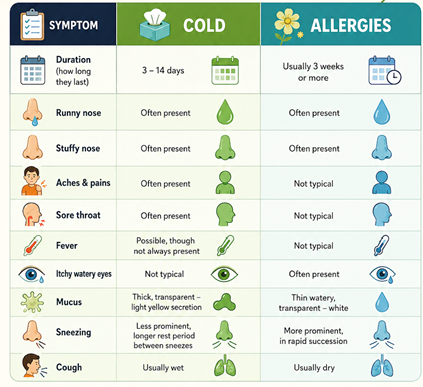
16. How do we differentiate between cold and allergies in children?
In colds there will be fever with body ache and wet cough and in allergies there will be dry cough , body ache and sore throat are not typical of allergies
Trusted Resources for Parents
HealthyChildren.org (American Academy of Pediatrics)
CDC – Childhood Allergies
AAAAI – Allergy Information for Families
World Health Organization (WHO)
Food Allergy Research & Education (FARE)