
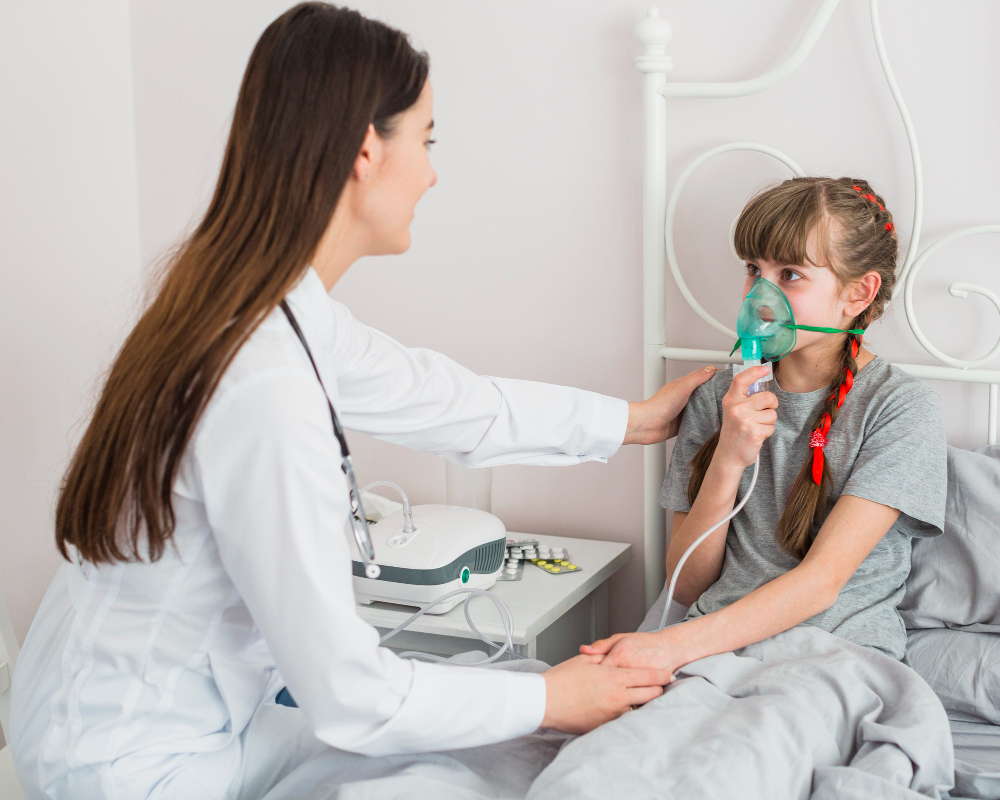
What is Acute Respiratory Failure in Children?
Acute respiratory failure in children is a serious condition. It happens when a child’s lungs cannot provide enough oxygen to the body or remove enough carbon dioxide. Because of this, the body’s organs may not work well. Pediatric respiratory failure can develop quickly and needs fast medical care. According to the CDC, breathing problems are a leading cause of emergency visits in children.
Common Symptoms
Early signs of breathing problems in kids can be easy to miss. However, knowing these symptoms can help you act quickly. Watch for:
If you notice any of these signs, seek help right away. Sometimes, symptoms can get worse quickly.
Major Causes
Many things can lead to acute respiratory failure in children. Some common causes include:
Sometimes, more than one cause can be present. For example, a child with asthma may get a lung infection, making breathing even harder.
How is it Diagnosed?
Doctors use several steps to diagnose pediatric respiratory failure. First, they check your child’s breathing and oxygen levels. Next, they may use tests such as:
Early diagnosis helps doctors start the right treatment quickly. Because symptoms can change fast, doctors watch children closely during this time.
Treatment Options
Treatment for acute respiratory failure in children depends on the cause and how severe it is. Common treatments include:
In many cases, children need care in a hospital. Sometimes, they may need to stay in an intensive care unit for close monitoring.
Prevention Tips
While not all cases can be prevented, you can lower your child’s risk. Consider these tips:
Additionally, teaching children about safety can help prevent injuries that may lead to breathing problems.
When to Seek Medical Help
It is important to know when to get help. Call your doctor or go to the emergency room if your child:
Quick action can save lives. Even if you are unsure, it is better to be safe and seek help.
In summary, acute respiratory failure in children is a medical emergency. Early recognition and treatment can make a big difference. Consult a pediatric specialist at Rainbow Children’s Hospital for personalized advice if your child shows any symptoms.