What Are Common Pediatric Skin Conditions?
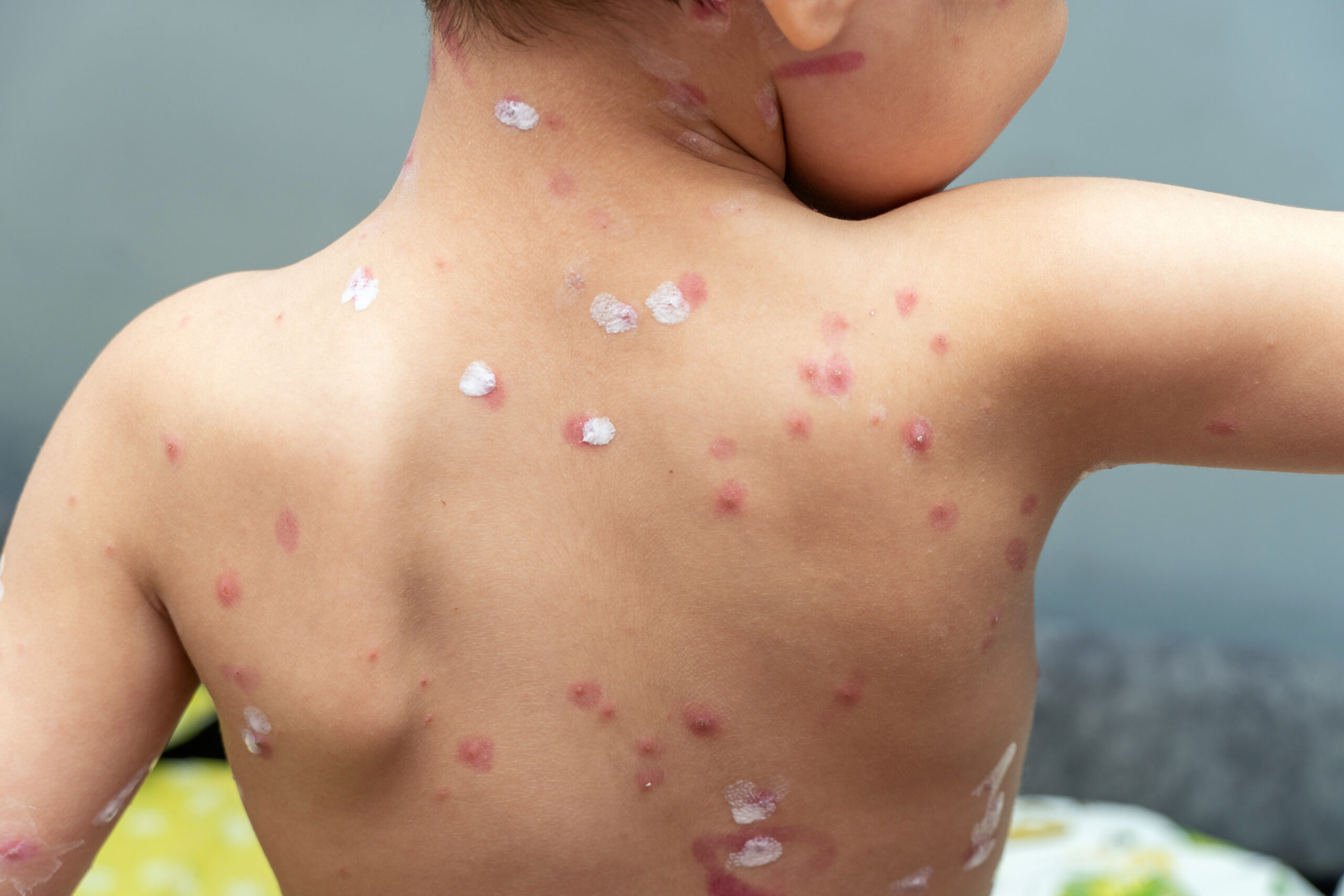
Many children experience skin problems at some point. Common pediatric skin conditions include rashes, eczema, and infections. These issues can cause discomfort, but most are treatable. Parents often worry about children’s skin problems, especially when they see red spots or itchy patches. Because kids’ skin is sensitive, it reacts quickly to irritants, allergies, and infections. Understanding these conditions helps you care for your child’s skin and know when to seek help.
Symptoms to Watch For
Early signs of skin conditions in children can be easy to spot. However, some symptoms may look similar. For this reason, it is important to watch for changes in your child’s skin. Common symptoms include:
Sometimes, a fever or tiredness can also appear with skin rashes. If you notice these symptoms, you should monitor your child closely. In some cases, quick action is needed.
Causes and Risk Factors
Children’s skin problems can have many causes. Some are due to infections, while others are linked to allergies or genetics. For example, eczema often runs in families. Additionally, certain climates can make skin conditions worse. Here are some common causes and risk factors:
Because children play outside and touch many surfaces, they are more likely to get skin infections. However, good hygiene can help prevent some issues.
Diagnosis and When to See a Doctor
Most mild rashes or spots can be managed at home. Still, some symptoms need a doctor’s attention. For instance, if your child has a high fever, severe pain, or a rash that spreads quickly, seek medical help. Doctors usually diagnose skin conditions by looking at the skin and asking about symptoms. Sometimes, they may take a small sample for testing. According to the CDC, early diagnosis helps prevent complications. You should see a doctor if:
Because some skin conditions can be serious, it is always better to be cautious.
Treatment Options
Treatment for common pediatric skin conditions depends on the cause. For mild rashes, gentle skin care and avoiding triggers often help. However, some conditions need medicine. Here are common treatments:
Always follow your doctor’s advice. Do not use over-the-counter creams without checking if they are safe for children. In some cases, your doctor may suggest allergy testing or other treatments.
Prevention and Skin Care Tips
Good skin care can prevent many kids’ skin rashes and problems. For example, keeping your child’s skin clean and dry helps avoid infections. Here are some helpful tips:
Because climate can affect skin, adjust your child’s skin care routine as needed. For instance, use extra moisturizer in dry weather.
Conclusion
In summary, common pediatric skin conditions are frequent but manageable. Early recognition and proper care can help your child feel better quickly. If your child shows signs of a skin condition, consult Dr Anupama Yerra for personalized advice.