
Introduction
Ear infections in children are very common. Many parents worry when their child has ear pain or trouble hearing. In fact, ear infections are one of the top reasons children visit doctors, according to the CDC. Early care can help your child feel better and avoid problems. In this blog, you will learn about child ear infection symptoms, causes, diagnosis, treatment for kids’ ear infections, and ways to prevent them.
Symptoms of Ear Infections in Children
Children may not always say they have ear pain. However, there are signs you can watch for. For example, some children may pull at their ears or cry more than usual. Here are common symptoms:
Sometimes, symptoms are mild. But, in other cases, they can be severe. Always watch for changes in your child’s behavior.
Causes and Risk Factors
Most ear infections in children happen when bacteria or viruses infect the middle ear. This area is behind the eardrum. Often, a cold or sore throat leads to an ear infection. The Eustachian tube, which connects the ear to the throat, can become blocked. As a result, fluid builds up and germs grow.
Several factors can increase the risk:
Because young children have shorter Eustachian tubes, they get ear infections more easily.
Diagnosis of Ear Infections
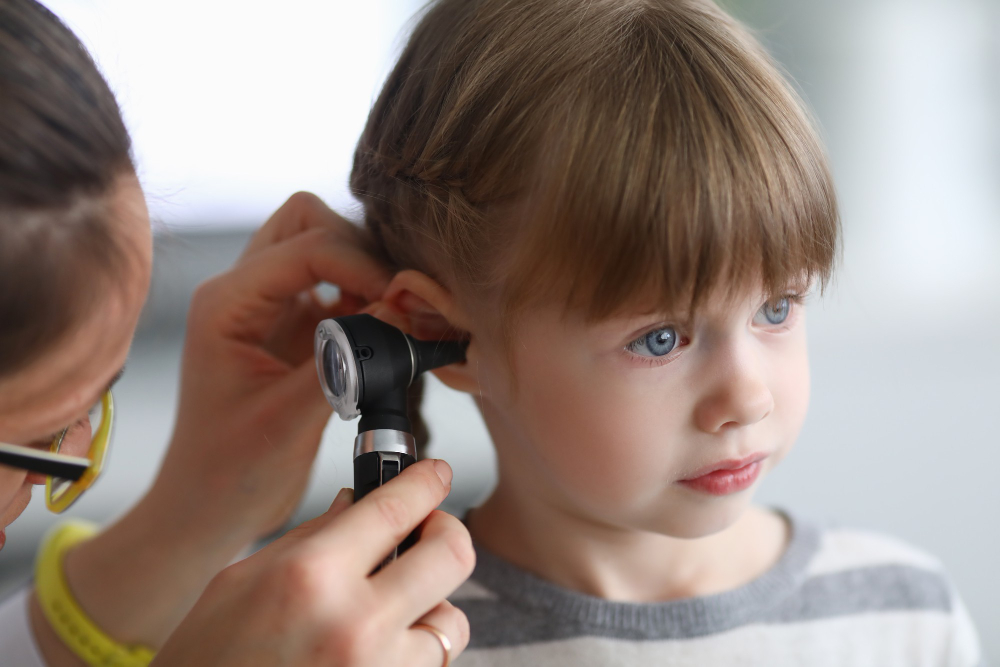
Doctors diagnose ear infections in children by looking inside the ear. They use a special tool called an otoscope. This tool helps them see if the eardrum is red, swollen, or has fluid behind it. Sometimes, doctors may gently blow air into the ear to check how the eardrum moves. In rare cases, they may test hearing if infections happen often.
Usually, no blood tests or X-rays are needed. However, if your child has many ear infections, your doctor may suggest more tests.
Treatment Options for Kids’ Ear Infections
Treatment for kids’ ear infections depends on the cause and how severe the symptoms are. For mild cases, doctors may suggest waiting a few days. Many ear infections get better on their own. During this time, you can help your child feel better by:
If symptoms do not improve, or if your child is very young, the doctor may prescribe antibiotics. It is important to finish all medicine, even if your child feels better. In rare cases, children with frequent infections may need small tubes placed in their ears to help drain fluid.
Prevention Tips for Ear Infections in Children
While you cannot prevent all ear infections, you can lower your child’s risk. Here are some helpful tips:
With these steps, you can help protect your child from ear infections.
When to See a Doctor
Sometimes, ear infections need quick medical care. You should call your doctor if:
Early treatment can prevent problems and help your child recover faster.
Conclusion
Ear infections in children are common but treatable. Knowing the symptoms and causes can help you act quickly. With good care and prevention, most children recover well. However, if you notice signs of an ear infection, consult a pediatrician at Rainbow Children’s Hospital for personalized advice.