What Are Febrile Seizures?
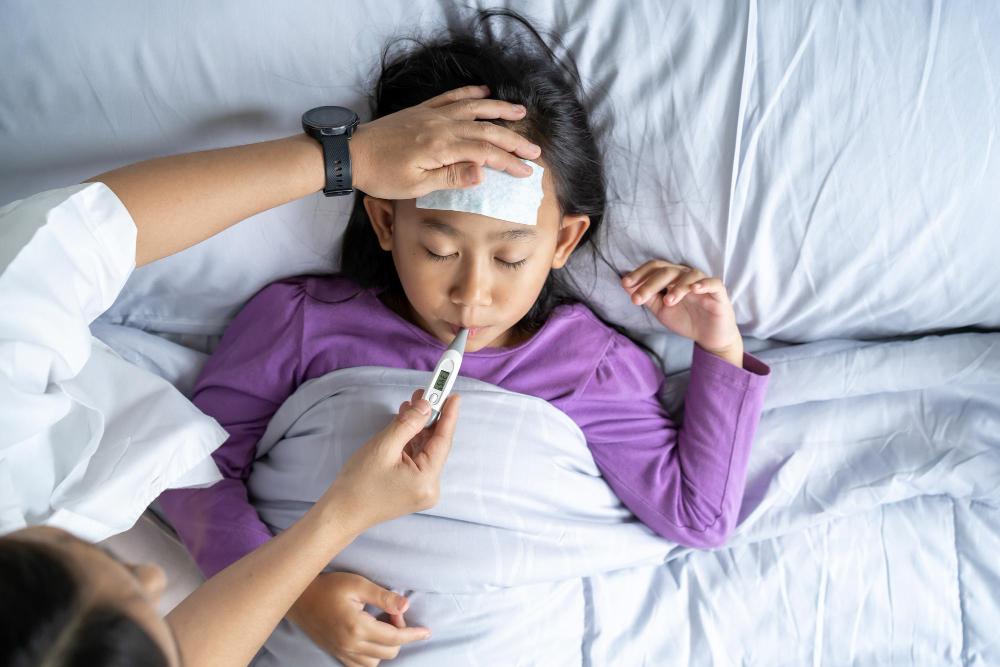
Febrile seizures are sudden fits that happen in young children when they have a fever. Usually, these seizures occur in children between 6 months and 5 years old. Most often, febrile seizures are not dangerous. However, they can be scary for parents and caregivers. In the US and many other countries, febrile seizures are the most common type of seizure in children. Knowing the symptoms and how to respond can help keep your child safe.
Common Symptoms and Warning Signs
Febrile seizures often start without warning. Still, some signs can help you recognize them quickly. For example, you may notice your child:
Usually, febrile seizures last less than five minutes. After the seizure, your child may be sleepy or confused. But most children recover quickly.
Main Causes and Risk Factors
Febrile seizures happen when a child’s body temperature rises quickly. Often, this is due to a viral or bacterial infection. For instance, common colds, ear infections, or the flu can trigger a fever. Some children are more likely to have febrile seizures. Key risk factors include:
Even though these seizures can be frightening, they are not caused by epilepsy. Most children who have febrile seizures do not develop epilepsy later.
How Are Febrile Seizures Diagnosed?
Doctors diagnose febrile seizures based on your child’s medical history and symptoms. Usually, no special tests are needed if the seizure was short and your child is healthy. However, in some cases, doctors may order tests to rule out other causes. These may include:
Most children do not need brain scans or long hospital stays. But, if your child is younger than 12 months or has a long seizure, extra care may be needed.
Treatment Options and First Aid Steps
Most febrile seizures stop on their own within a few minutes. Still, knowing what to do during a seizure is important. Here are first aid steps to follow:
After the seizure, let your child rest. If the seizure lasts longer than five minutes, call emergency services right away. Doctors may give medicine if seizures are long or happen often. However, most children do not need daily medication for febrile seizures.
Prevention Tips and Home Care Guidance
While you cannot always prevent febrile seizures, you can lower your child’s risk. For example, you can:
Even so, remember that febrile seizures can happen even with quick fever treatment. Most children outgrow febrile seizures by age 5.
When to Seek Medical Help
Although most febrile seizures are harmless, you should seek medical help if:
In these cases, a doctor can check for other health problems and give the right care.
Frequently Asked Questions
Conclusion
Febrile seizures in children can be scary, but they are usually harmless. Most children recover quickly and do not need long-term treatment. However, it is important to know the signs and how to respond. If you have concerns or your child has a seizure, consult a pediatrician Dr. Anupama Yerra for personalized advice.