
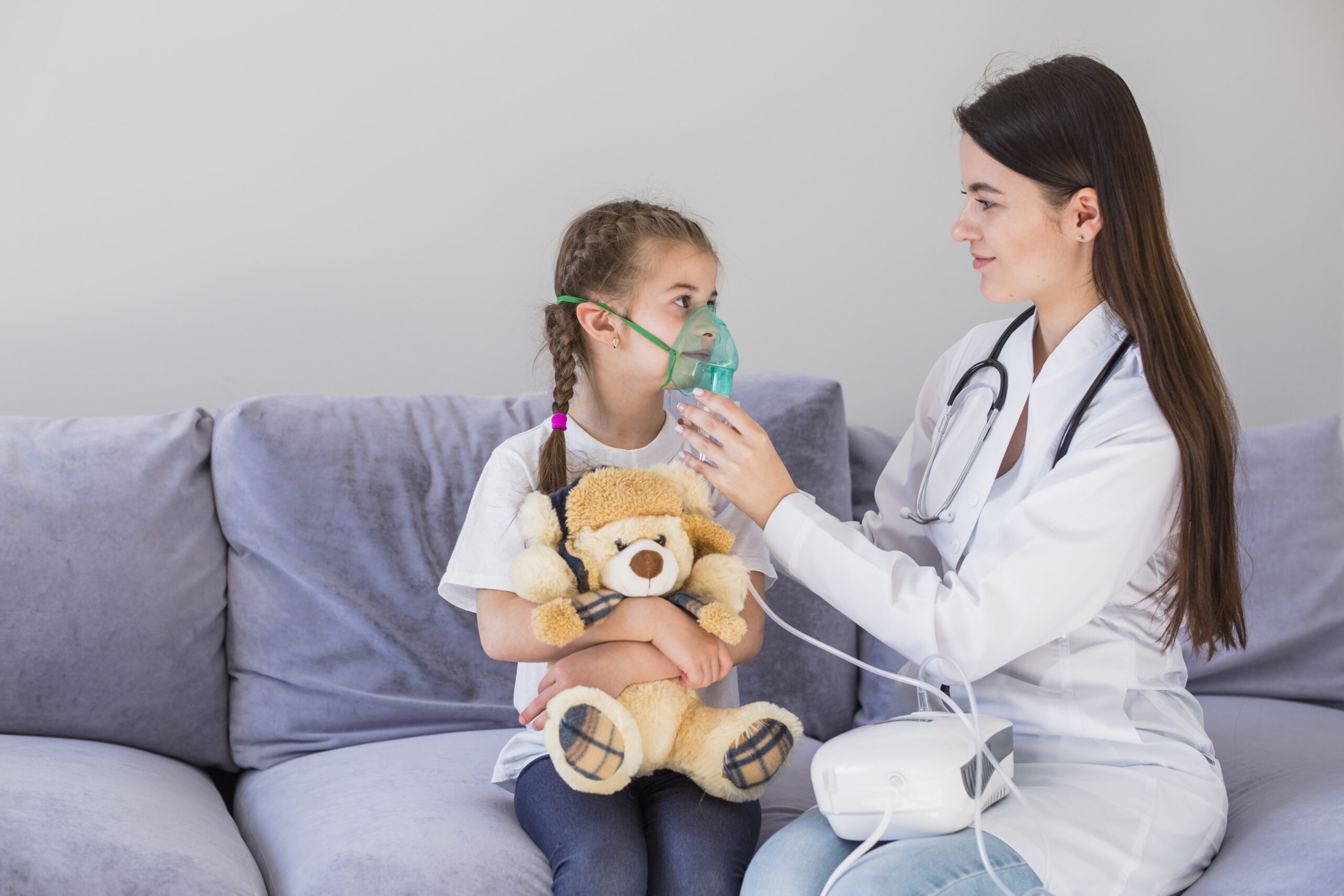
Pediatric acute asthma exacerbation is a sudden worsening of asthma symptoms in children. This condition, also called an acute asthma attack in children or a childhood asthma flare-up, can be scary for both kids and parents. However, knowing the signs and how to respond can help you manage pediatric asthma more confidently. In this blog, you will learn about symptoms, causes, diagnosis, treatment, and prevention strategies for acute asthma in children.
What Is Pediatric Acute Asthma Exacerbation?
Pediatric acute asthma exacerbation means a child’s asthma symptoms suddenly get worse. Often, this happens quickly and may need urgent care. During an asthma flare-up, the airways in the lungs become swollen and narrow. As a result, it becomes hard for your child to breathe. According to the CDC, asthma is one of the most common chronic conditions in children. But with the right care, most children recover well from these attacks.
Common Symptoms
Recognizing symptoms early can help you act fast. Here are common signs of an acute asthma attack in children:
Sometimes, symptoms may be mild at first. But they can get worse quickly, so it’s important to watch your child closely.
Main Causes and Triggers
Many things can trigger a childhood asthma flare-up. Knowing these triggers can help you prevent future attacks. Common causes and triggers include:
Because triggers can vary, it helps to keep a diary of your child’s symptoms and possible causes.
How Is It Diagnosed?
Doctors use several methods to diagnose an acute asthma attack in children. First, they ask about your child’s symptoms and medical history. Next, they listen to your child’s breathing with a stethoscope. Sometimes, doctors use tests such as:
In some cases, doctors may order chest X-rays to rule out other problems. Quick diagnosis helps start treatment right away.
Treatment Options
Treating pediatric acute asthma exacerbation often involves quick action. The main goals are to open the airways and help your child breathe better. Common treatments include:
Doctors may give medicine at home or in the hospital, depending on the severity. Always follow your doctor’s instructions for asthma medications.
Home Care and Lifestyle Tips
After an asthma attack, home care is important for recovery. Here are some tips to help your child:
Additionally, teaching your child how to use inhalers properly can make a big difference.
Prevention Strategies
Preventing future asthma flare-ups is possible with a few simple steps. Consider these prevention tips:
Because prevention is key, always update your child’s asthma action plan as needed.
When to Seek Emergency Help
Sometimes, an asthma attack can become life-threatening. Seek emergency help if your child:
If you are unsure, it is always better to call your doctor or emergency services right away.
In summary, knowing the signs and triggers of pediatric acute asthma exacerbation can help you act quickly. Early treatment and prevention can keep your child safe and healthy. Consult a pediatrician Dr. Anupama Yerra for personalized asthma management and advice.