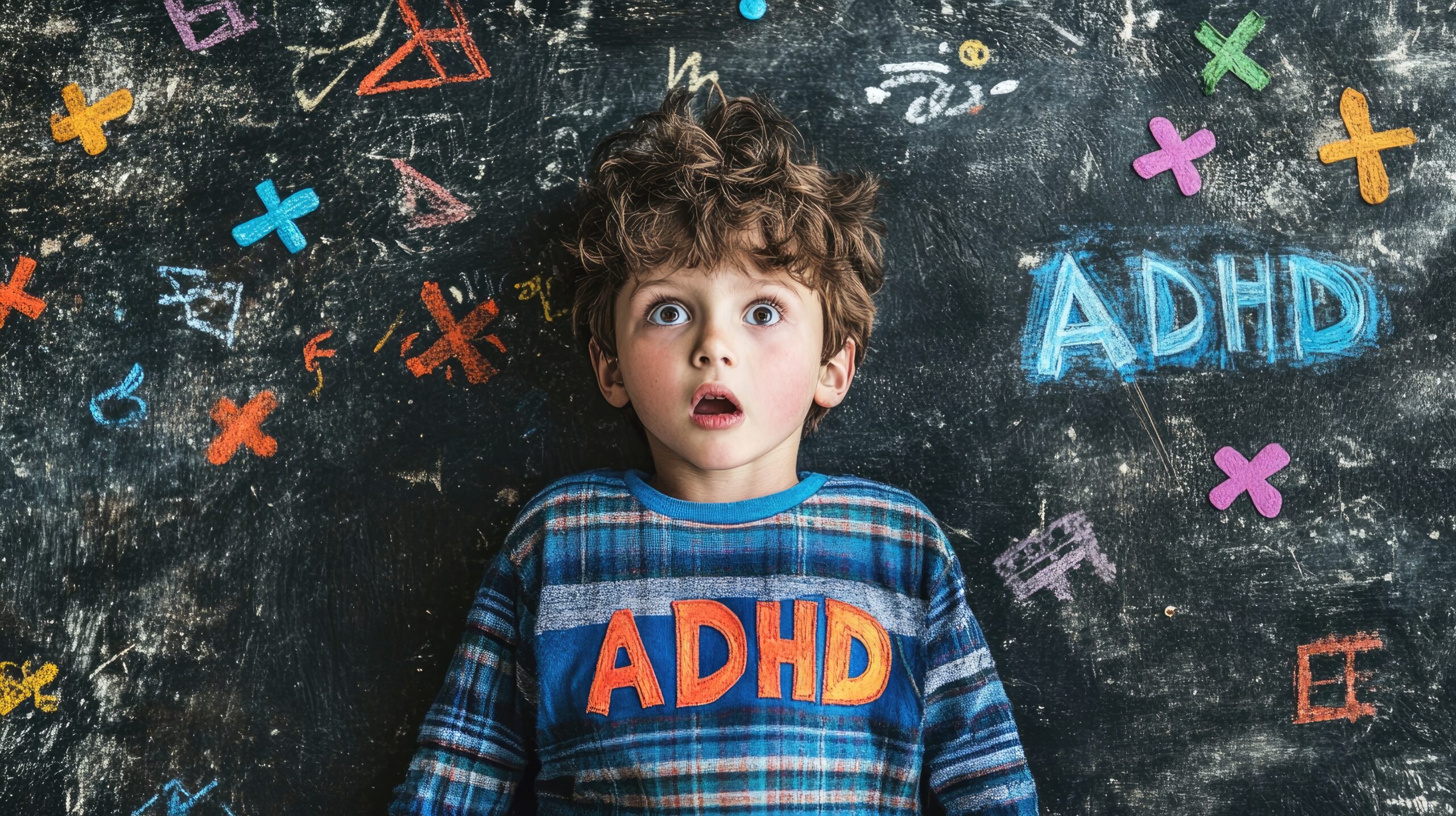
Childhood ADHD, or Attention-Deficit/Hyperactivity Disorder, is a common brain condition in children. It affects how kids pay attention, control impulses, and manage energy. In fact, ADHD in children can impact school, friendships, and family life. According to the CDC, about 1 in 10 children may have ADHD. Because early help can make a big difference, it is important to know the signs and options for managing childhood ADHD.
What is Childhood ADHD?
Childhood ADHD is a condition that affects a child’s ability to focus, sit still, and control actions. Usually, it starts before age 12. However, some signs may appear even earlier. Kids with ADHD may act without thinking or have trouble staying on task. Although all children can be active or distracted at times, those with ADHD show these behaviors more often and more strongly than others their age.
Symptoms of Childhood ADHD
Children with ADHD show different symptoms. Some may have trouble paying attention, while others may be very active or impulsive. Often, symptoms fall into two main groups: inattention and hyperactivity-impulsivity. For example, a child may:
Because these symptoms can change over time, it is important to watch for patterns that last at least six months.
Causes and Risk Factors
While the exact cause of childhood ADHD is not fully known, research points to several factors. For instance, genetics play a big role. If a parent or sibling has ADHD, a child is more likely to have it too. In addition, problems during pregnancy, such as smoking or drinking alcohol, can raise the risk. Early birth or low birth weight may also be linked. Some studies suggest that exposure to lead or other toxins can increase risk. However, parenting style or eating too much sugar do not cause ADHD.
Diagnosis
Diagnosing childhood ADHD involves several steps. First, a doctor will ask about your child’s behavior at home and school. They may use checklists or rating scales to gather information. Next, the doctor will rule out other causes, such as hearing problems or anxiety. To confirm ADHD, symptoms must appear in more than one setting, like both at home and in class. The American Psychiatric Association’s guidelines help doctors decide if a child meets the criteria for ADHD. Sometimes, teachers and caregivers are also asked for input.
Treatment Options
Treating childhood ADHD often involves a mix of approaches. Behavioral therapy is usually the first step, especially for younger children. This therapy teaches kids and parents ways to manage behaviors. In some cases, doctors may suggest medication. Medicines like stimulants can help children focus and control impulses. However, not every child needs medicine. In addition, parent training and support at school are important. The CDC and American Academy of Pediatrics recommend a team approach for the best results.
Lifestyle and Home Management
Parents and caregivers can help children with ADHD in many ways. For example, you can:
Because every child is different, it may take time to find what works best. However, patience and support can make a big difference.
Prevention and Early Intervention
Although you cannot always prevent childhood ADHD, early recognition helps children get the support they need. For instance, noticing symptoms early allows for quicker intervention. Early therapy and school support can improve learning and social skills. In addition, healthy habits during pregnancy, like avoiding smoking and alcohol, may lower risk. If you notice signs of ADHD in your child, talk to a healthcare provider as soon as possible.
If you suspect your child may have ADHD, consult Dr Anupama Yerra for personalized guidance.